The Missouri credit almost nobody claimed
Every other correction on this site takes something away. This one gives something back, and it is running out. Missouri created a tax credit equal to the homestead insurance deductible a homeowner incurred during 2025, capped at $5,000, and the window for new credits shuts on 15 October 2026.
- The section
- RSMo 135.445
- What it equals
- A homestead insurance deductible incurred in the 2025 calendar year
- Cap
- $5,000 per claimant
- Transferable
- Yes, the credit may be transferred
- Hard stop
- No new credits after 15 October 2026
Correct, and it is the least discussed consumer provision in this whole area. If you had a homestead insurance deductible in the 2025 calendar year, RSMo 135.445 creates a Missouri credit equal to it, capped at $5,000, and the credit is transferable. New credits stop being issued after 15 October 2026.
RSMo 135.445. Confirm eligibility and mechanics with the Missouri Department of Revenue or a tax professional before relying on this.
Why it exists, and why it closes
2025 was an extraordinary year for storm losses in Missouri, and deductibles were the part homeowners paid out of their own pockets regardless of how the claim went. A percentage wind and hail deductible on a decent sized house is not a small number. Two per cent of a $400,000 dwelling limit is $8,000 before anybody argues about scope, and that is money the household finds rather than money the policy pays. The credit is a partial answer to that year specifically, which is why it is tied to deductibles incurred in the 2025 calendar year and why it has an expiry date rather than being a standing feature of the tax code.
The expiry is the operative fact. Programmes with a closing date get missed by exactly the households they were meant to reach, because the people who most needed the money were also the people spending that autumn dealing with a roof.
What to do about it
- Find the amount you actually boreNot the estimate, not the invoice, the deductible figure applied to your claim. It will be on the insurer's payment breakdown or loss statement. Percentage deductibles produce odd numbers, so read it rather than assuming.
- Check that the loss year is rightThe credit is tied to a deductible incurred during the 2025 calendar year. A claim from a different year is a different question.
- Speak to a tax professional or the Department of RevenueEligibility conditions, the application route and the documentation required are theirs to confirm, not a roofing company's. This page tells you the credit exists and where it is written down. It does not tell you that you personally qualify.
- Do it before the middle of October 2026New credits stop after 15 October 2026. A deadline that specific is not one to leave until the week before.
Not tax advice
Nothing here is tax advice and nothing here is a promise that you qualify. It is a pointer to a Missouri statute with the section number attached so you and your accountant can go and read it.
The reason you have not heard of it
Tax credits are not marketing. There is no advertising budget behind a statutory provision, no company earns a commission on it, and the people who would ordinarily tell a homeowner about something roof related are contractors, who are neither tax advisers nor especially motivated to reduce the net cost of a project.
It is also legally awkward territory for a roofing company to discuss badly. This site can say the credit exists, can quote the section, can say what it is capped at and when it closes. It cannot tell you that you qualify, and it will not put a number on what you would get, because that would be tax advice given by people who are not qualified to give it.
So the honest version is short: the credit is real, it is in RSMo 135.445, it is worth up to $5,000, it dies in October 2026, and the next call you make should be to an accountant rather than to us.
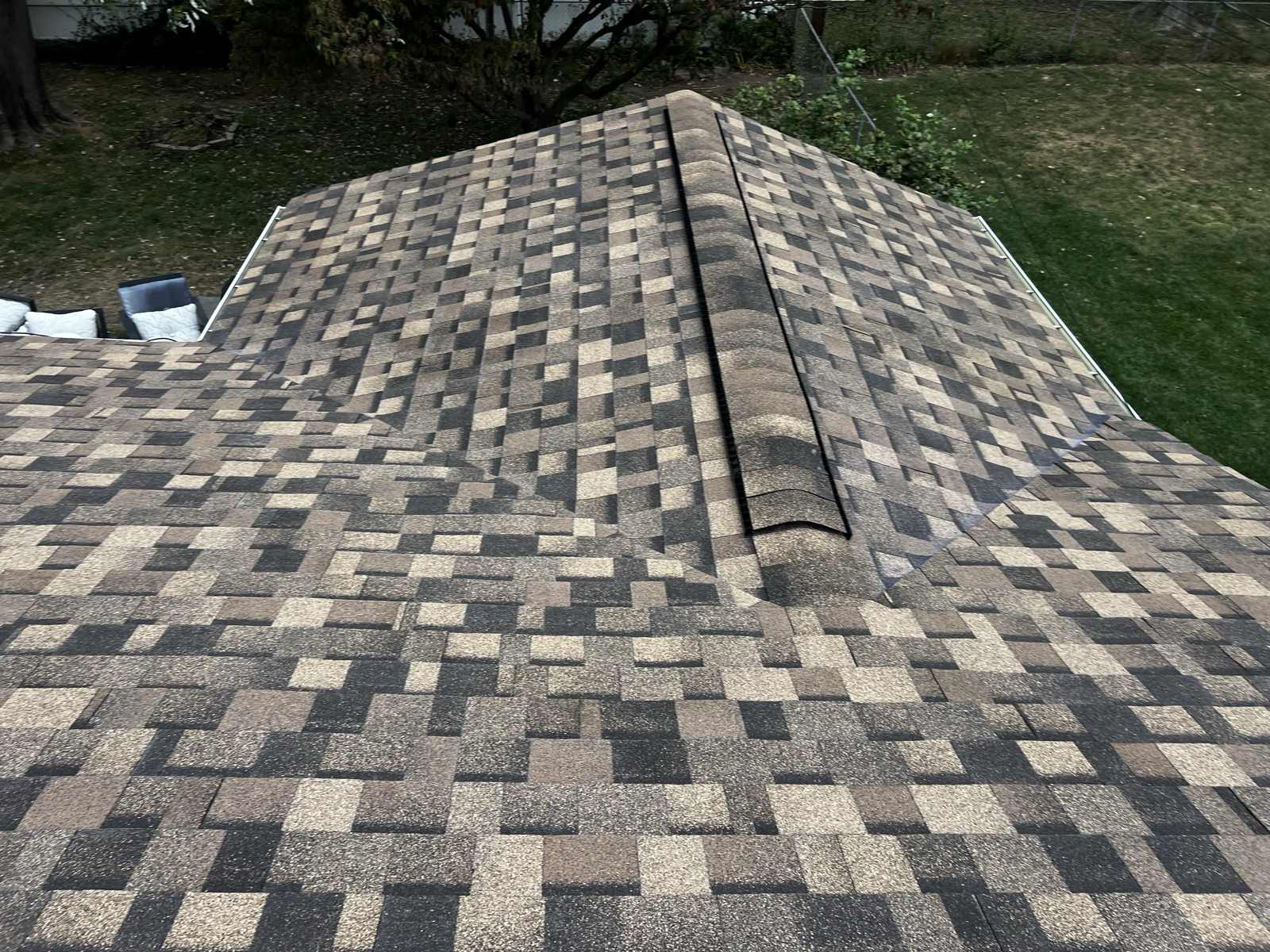
Documentation, in your name, whether or not you hire anyone
Keys Roofing is a roofing, gutter and downspout company working in greater St. Louis, and that is the only part of Missouri it can send anyone to. If your house is outside that radius, use the guide and hire locally. Nothing here changes based on where you live.
What an inspection produces is a set of photographs, slope by slope measurements and a written scope of the work the roof needs. You keep that file. If there is a claim in your story, the claim stays in your name and in your hands: under RSMo 407.725 a Missouri roofing contractor shall not represent or negotiate an owner's insurance claim, and Keys does not. The contractor's job is to document the roof accurately and to be on the roof as the contractor when the adjuster inspects it.
Ask for a roof inspection
Goes to Keys Roofing. Greater St. Louis only. No obligation, and no part of this form asks anything about your policy limits.
Nothing you type here is sent to any insurer, and nobody from Keys will contact one on your behalf.